





General
Q: Do I have to sign up to a monthly contract?
A: No. Kedleston Lawncare are happy to do one off jobs or allow clients to pay per treatment although the monthly plans are more cost effective.
Q: Do you cut grass?
A: No, we specialise in lawn health and treatments.
Q: What area do you cover?
A: Kedleston Lawn Care is based near Kedleston, Derby. We typically travel up to 20 miles to clients.
Q: How will I know you have been?
A: We will contact you and schedule each appointment. An information sheet will be left after each treatment detailing the work that has been carried out, the treatments that have been used and any instructions that need to be followed after the application (eg some granular fertilisers need watering in, ideally lawns should not be mown for 3 days after weedkiller application etc).
Weedkiller Treatments
Q: What is a selective weedkiller?
A: A selective weedkiller is designed to target specific types of plants—typically broad-leaved weeds like dandelions, daisies, and clover—while leaving your grass (which is a narrow-leaved monocot) completely unharmed.
Q: Are professional-grade treatments better than DIY store products?
A: Yes. Professional-grade herbicides offer advanced formulations that are significantly more effective at reaching deep into the root systems of tough, stubborn weeds. Because we use commercial concentrates, our treatments provide superior coverage and faster, more reliable results compared to standard retail “weed and feed” products.
Q: How long does it take for the weedkiller to work?
A: You will typically start noticing visible signs of curling, wilting, and decay within 7 to 14 days. Depending on the weed species and the specific product used, complete control and eradication can take anywhere from 3 to 4 weeks.
Q: Are your weed control treatments safe for children and pets?
A: Absolutely. While the applied formulas must stay strictly managed while wet, the treated areas are completely safe and useable again as soon as the spray has thoroughly dried—typically within 90 minutes to 2 hours.
Q: Can I mow my lawn before or after a treatment?
A: For the best results, we recommend mowing a few days before an application. You should wait at least 3 to 4 days after the treatment before your next cut, allowing the weed leaves enough surface area to fully absorb the herbicide. Cuttings from the lawn should be disposed of in the general waste bin for 2 weeks following the application of weedkiller.
Q: Why do I still see weeds after your treatment?
A: Certain stubborn, deep-rooted weeds (such as thistles or dock) may require a bit more time or multiple targeted treatments to die off entirely. Furthermore, new weed seeds constantly blow in from surrounding areas and germinate. Our comprehensive treatments drastically reduce these occurrences, but ongoing lawn maintenance is required to keep them away permanently.
Q: Do I need a qualification to apply professional weedkillers?
A: Yes. By law in the UK, only certified professionals holding recognised qualifications (such as NPTC Level 2 PA1/PA6 awards) can commercially apply professional-use products. This guarantees safety, precise application rates, and environmental compliance. Our operators hold the PA1 and PA6 certification.
Fertiliser Treatments
Q: Are your fertiliser treatments safe for children and pets?
A: Yes. Once applied and watered in the treatments are perfectly safe for children and pets (fertiliser treatments need to be watered in after application within 24 hours)
Q: Can I mow my lawn right after you apply fertiliser?
A: No. We recommend waiting at least 2 to 3 days after an application before mowing. This gives the granules time to settle into the soil and ensures your mower blades do not collect and remove the product.
Q: What should I do if it rains immediately after a fertiliser application?
A: Heavy downpours right after application can wash the granules away before they sink into the soil. Light rain, however, is perfect because it helps dissolve the turf food and drives the nutrients straight down into the roots.
Q: How long does it take to see results after an application?
A: You will generally notice a deeper green colour within 5 to 7 days. Stronger root growth and a thicker lawn will continue to develop over the next 4 to 6 weeks as the nutrients break down.
Scarification
Q: What is lawn scarification?
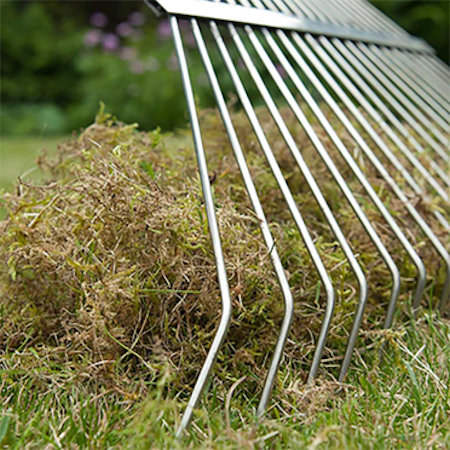
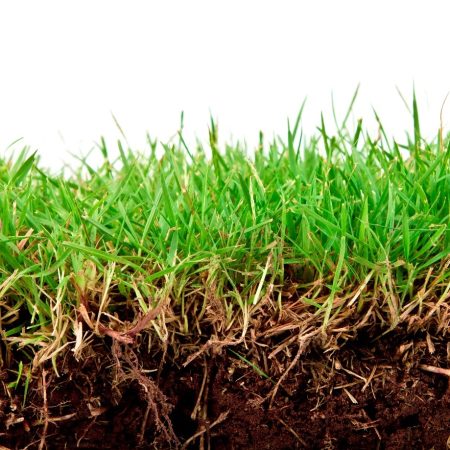
A: Scarification is a mechanical process that removes thatch, moss, and debris from the base of your grass. Think of it as a deep, intensive grooming session for your lawn. Over time, a thick layer of dead organic matter builds up, which suffocates your grass by blocking vital water, air and nutrients from reaching the soil. Scarification clears this layer away so your lawn can breathe and grow back stronger, thicker and healthier.
Q: When is the best time of year to scarify my lawn?
A: We recommend scarifying in either early autumn (September/October) or spring (April/May). These seasons offer the perfect mix of warm soil, regular rainfall, and mild temperatures. These conditions are vital because they give your grass the best possible environment to recover quickly from the intensive treatment. We avoid scarifying in extreme summer heat or freezing winter conditions.
Q: Do I need to mow my lawn before you arrive?
A: Yes, please mow your lawn 1 or 2 days before our scheduled visit, cutting it slightly shorter than usual. Shorter grass allows our scarification machinery to reach the thatch and moss layers much more effectively. It also dramatically reduces the total volume of green waste produced, making cleanup quicker and easier.
Q: Will my lawn look a mess after being scarified?
A: Yes, it will look quite dramatic and patchy immediately after the service. This is completely normal and a sign that the process has successfully removed the choking debris. Scarification pulls up a significant amount of material, exposing the soil underneath. While it may look shocking at first, this opening of the turf is exactly what the lawn needs to help it breathe.
Q: Can you scarify a lawn that is full of weeds?
A: We strongly advise treating heavy weed infestations before scarification takes place. Scarifying a lawn with active weeds can accidentally chop up their roots and spread their seeds across the entire garden, making the problem worse. If your lawn has a lot of weeds, we can apply a targeted weed control treatment a few weeks prior to your scarification date.
Q: My lawn is very mossy, will scarification kill the moss?
A: Scarification physically removes the moss, but it does not kill the underlying spores. To get the best results, we apply a moss control treatment roughly 1 to 2 weeks before we scarify. This kills the moss, turning it black and loose, which makes it far easier for our machines to pull out and stops it from returning as quickly.
Q: Should I water or fertilise the lawn after it is scarified?
A: Absolutely. Once the lawn is opened up, it is the perfect time to apply grass seed and fertiliser to encourage new growth. If it does not rain within 48 hours of our treatment, we highly recommend watering your lawn thoroughly. Keeping the soil consistently moist for the next 2 weeks will dramatically speed up the recovery process.
Q:How long will it take for my lawn to recover?
A: A lawn typically takes between 4 to 6 weeks to fully recover, depending entirely on weather conditions and subsequent rainfall. If the weather is warm and damp, the grass will bounce back much faster. We often combine scarification with overseeding and fertilising to accelerate this recovery process and ensure a lush, dense return of green growth.
Q: How much waste will be produced?
A: Scarification produces a surprisingly large volume of waste material, often far more than a standard lawn mowing. A medium-sized lawn can easily generate several large garden sacks filled with dense moss and thatch. Because this material is highly compacted, it will look like a mountain of debris on your lawn before it is bagged up.
Q: Do you charge to remove the waste?
A: We always recommend making space in your household green garden waste bin ahead of our visit, as we will happily fill this for you at no extra cost. However, because we are commercially charged to dispose of green waste at local facilities, we do have to pass this cost on if we take it away. If your bins are full, we charge £5 per standard bin bag to remove and correctly dispose of the waste for you (alternatively we will bag the waste up and leave for you dispose of at no extra cost).
Hollow Tining
Q: What is the difference between hollow tining and standard spike aeration?
A: While standard spiking simply punches holes into the dirt, hollow tining uses cylindrical, tube-shaped tines to completely remove physical plugs of soil and thatch. This creates space for the surrounding compacted soil to expand, offering deeper and longer-lasting relief.
Q: When is the best time to hollow-tine?
A: The most effective time to hollow-tine is in the early autumn (September to October) or spring when the soil is warm and moist, allowing your grass to recover quickly. We generally avoid carrying this out during the heat of summer or the depths of winter.
Q: Does my lawn need hollow tining?
A: If your grass looks pale, is prone to pooling water after rain, is heavily infested with moss, or feels rock-hard underfoot, it likely suffers from soil compaction and will greatly benefit from this treatment.
Q: How often should this be done?
A: For most lawns, hollow tining is recommended once a year or every other year as part of a robust maintenance routine. Heavy clay or high-traffic lawns may require annual treatments to keep the soil structure loose and healthy.
Q: How do I prepare my lawn for a treatment?
A: There is very little preparation required on your end. We simply ask that you give your grass a normal mowing a few days prior to our visit so we can easily run our equipment across the turf.
Lawn Disease
Q: What actually causes lawn disease?
A: Most lawn diseases are caused by fungi that are naturally present in the soil. However, these fungi only become active and attack the grass plant when the turf is under stress. Common stressors include poor soil nutrition, improper mowing, inadequate watering, and soil compaction.
Q: Will a healthy lawn get a disease?
A: While extreme, prolonged weather changes can test any lawn, a well-nurtured and properly maintained lawn is significantly less susceptible to disease. Just like a healthy immune system, grass that receives the right nutrients, water, and airflow has the natural vigour to fight off fungal pathogens before they take hold.
Q: What are the most common signs of lawn disease?
A: The most common indicators are unusual discolouration or patches. In the UK, you might notice pink or bleached patches (Red Thread), yellow or orange spots on the grass blades (Rust), or circular patches of weakened, yellowing turf (Fusarium).
Q: Can I just apply a fungicide to fix the problem?
A: Fungicides can provide a quick, temporary fix when an infection is aggressive, but they don’t address the root cause. If the underlying environmental or maintenance issues—like poor drainage or nutrient deficiency—aren’t corrected, the disease will likely return. The best long-term approach is proactive, cultural care.
Q: How does proper mowing prevent disease?
A: Keeping your mower blades sharp and ensuring you don’t “scalp” the grass are vital. Dull blades shred the grass leaves, creating open wounds that act as entry points for fungi. Additionally, cutting the grass too short stresses the plant and prevents it from photosynthesising properly.
Q: Why do aeration and scarification matter?
A: Disease thrives in damp, poorly ventilated, and compacted conditions. Aeration relieves soil compaction and improves drainage, while scarification removes heavy thatch (a layer of dead matter that harbours fungal spores). Both practices promote excellent air circulation and deep rooting, which are key to disease prevention.
Q: How do your professional care programs prevent disease?
A: Our programs are built on preventative, cultural practices. By applying perfectly balanced, seasonal fertilisers and scheduling essential treatments like aeration and weed control, we ensure your grass remains strong, dense, and naturally resilient to disease all year round.
Lawn Pests & Nematodes
Q: What are chafer grubs and leatherjackets?
A: Both are the larval stages of common insects that live in the soil and feed on your grass roots.
- Chafer Grubs are the curved, white, C-shaped larvae of the garden chafer beetle.
- Leatherjackets are the greyish-brown, legless larvae of the crane fly (daddy longlegs).
Q: What damage do they cause to my lawn?
A: Because these pests eat the root systems of your grass, the first sign of an infestation is often patchy, yellow, or dying turf that pulls away easily from the soil. Furthermore, because the grubs are a food source, wildlife like badgers, foxes, and birds will often rip up your lawn to hunt for them, which frequently causes more damage than the grubs themselves.
Q: What are nematodes and how do they work?
A: Nematodes are microscopic, beneficial worms that naturally occur in the soil. As a chemical-free alternative to harsh insecticides, we apply them by watering them directly into the lawn. The nematodes seek out the grubs, enter them, and release a natural bacteria that safely eliminates the pest.
Q: Are nematode treatments safe for my pets and the environment?
A: Yes! Because nematodes are a 100% natural and biological solution, they are perfectly safe for children, pets, and beneficial wildlife like earthworms. There is no need to exclude your family from the lawn after treatment.
Q: When is the best time to treat the lawn?
A: The ideal window depends on the pest, as we need to target them when they are newly hatched and actively feeding near the soil surface:
- Leatherjackets: Best treated in the autumn (September to October) about two weeks after adult crane flies are spotted, though some infestations may require a spring treatment as well.
- Chafer Grubs: Best treated from July to October, when the soil is warm and the young grubs are most vulnerable.
Q: Can the lawn recover after a pest infestation?
A: Absolutely. Once the pests have been successfully treated, we can help restore the lawn by overseeding bare patches and following a healthy feeding and aeration program to encourage dense, resilient grass.
If you have any other questions please get in touch.